The 4 Golden Rules of Acupuncture for a Balanced Life
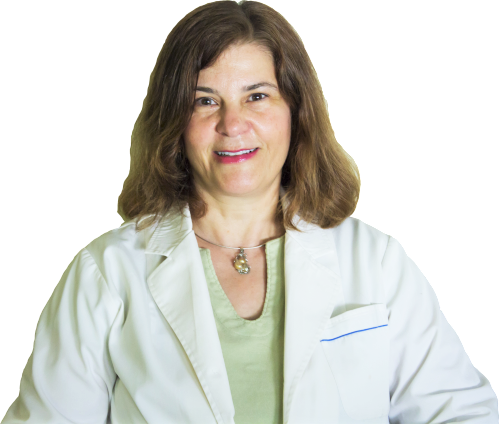
In the wisdom of classical Chinese medicine, health is not merely the absence of illness but the harmony of body, mind, and spirit with the natural rhythms of life. One of the simplest yet most profound teachings from this tradition is known as the Four Golden Rules of Acupuncture. These principles offer timeless guidance for maintaining balance, supporting the body’s energy (Qi), and cultivating overall well-being. 1. Eat only when hungry 2. Drink only when thirsty 3. Take rest when tired 4. Sleep early Why These Rules MatterTogether, these 4 Golden Rules serve as gentle reminders to live in alignment with nature and with ourselves. They protect the body from unnecessary strain, nurture vitality, and allow the body’s own healing processes to flourish. At the Han Institute, Dr. Angelica Kokkalis integrates these principles into her acupuncture practice, encouraging patients not only to receive treatment but to embrace these lifestyle practices as part of a holistic approach to wellness. By following these simple but powerful rules, you give yourself the gift of balance, resilience, and the deep healing that comes from living in harmony with your own rhythms. |
Understanding Alternative and Holistic Medicine: Examples, Differences, and Considerations
Understanding Alternative and Holistic Medicine: Examples, Differences, and ConsiderationsWhen people explore ways to support their health outside of conventional Western medicine, they often encounter terms like alternative medicine and holistic medicine. While these approaches share some similarities, they each have unique characteristics. Let’s take a closer look at what they mean, with examples, distinctions, and considerations to keep in mind. What Are Examples of Alternative Medicine?Alternative medicine refers to treatments and healing practices used in place of conventional medicine. Some widely recognized examples include:
What’s the Difference Between Holistic and Alternative Medicine?The terms are sometimes used interchangeably, but they are not the same:
For example, a holistic practitioner may recommend acupuncture for pain relief while also encouraging proper nutrition, stress management, and conventional check-ups with a medical doctor. What Are the Disadvantages of Alternative Medicine?While alternative medicine can provide many benefits, there are some considerations:
For these reasons, it is important to consult with a qualified practitioner and, when appropriate, combine alternative therapies with conventional medicine in an integrative, holistic approach. ConclusionAlternative and holistic medicine both aim to promote healing, but they take different perspectives. Alternative medicine offers options outside the mainstream, while holistic medicine integrates the whole person—mind, body, and spirit—often blending conventional and natural practices. By understanding their differences, benefits, and limitations, you can make empowered choices about your health journey. |
Understanding Integrative Medicine: How It Differs from Holistic and Functional Approaches
When patients explore natural and complementary approaches to health, they often come across terms such as integrative medicine, holistic medicine, and functional medicine. While these approaches share common ground in emphasizing whole-person care, they are not identical. At The Han Institute, Dr. Angelica Kokkalis blends traditional Chinese medicine with modern integrative practices, helping patients better understand how these approaches can support healing and balance. What is the meaning of integrative medicine?Integrative medicine is a patient-centered approach that combines conventional medical treatments with evidence-based complementary therapies. The goal is not to replace traditional medicine but to enhance it by addressing the physical, emotional, mental, social, and spiritual aspects of health. Examples of integrative therapies include acupuncture, nutritional counseling, herbal medicine, stress management, and mindfulness practices. By uniting the best of both worlds—modern science and time-tested traditions—integrative medicine empowers patients to take an active role in their healing journey. How is holistic medicine different from integrative medicine?Holistic medicine is an approach that looks at the person as a whole, focusing on body, mind, and spirit. It emphasizes prevention and lifestyle choices, aiming for balance and harmony. However, holistic medicine does not necessarily integrate conventional medical practices. Integrative medicine, on the other hand, combines the holistic perspective with conventional care. For example, a patient undergoing cancer treatment may use acupuncture for nausea and meditation for stress alongside chemotherapy. Integrative medicine therefore bridges the gap between holistic philosophies and modern medical science. How does integrative medicine differ from functional medicine?While both integrative and functional medicine take a root-cause approach, functional medicine is more focused on identifying underlying imbalances at the biochemical and physiological levels. Functional medicine often uses advanced diagnostic testing to uncover nutrient deficiencies, hormonal imbalances, or gut health issues. Integrative medicine, while it may use similar diagnostic tools, places more emphasis on the blend of therapies and the partnership between patient and practitioner. It looks at the whole person and often incorporates complementary practices like acupuncture, yoga, and nutritional guidance alongside conventional treatments. In Summary
At The Han Institute, Dr. Angelica Kokkalis practices a unique form of integrative medicine, rooted in traditional Chinese medicine and informed by modern research. This balanced approach supports patients on their journey to long-term health and well-being. |
Understanding Cupping Therapy: Benefits, Myths, and Comparisons
Cupping therapy is one of the most ancient healing practices in Traditional Chinese Medicine (TCM). While it has gained attention in recent years—especially among athletes and wellness enthusiasts—it remains surrounded by questions and misconceptions. Let’s take a closer look at what cupping does, its possible downsides, how it relates to “toxins,” and whether it is better than massage. What Does Cupping Actually Do?Cupping involves placing special cups on the skin to create suction. This suction helps increase blood circulation, loosen tight muscles, reduce inflammation, and promote the flow of qi (vital energy) through the body. By lifting the skin and underlying tissues, cupping draws stagnant blood and fluids toward the surface, encouraging the body’s natural healing process. Many people experience relief from pain, tension, and stiffness after a session. What Are the Downsides of Cupping?While generally safe when performed by a trained practitioner, cupping does have a few possible downsides:
For most patients, these effects are mild and temporary. However, cupping should always be performed by a skilled professional who understands the body’s needs and contraindications. What Toxins Does Cupping Remove?In Traditional Chinese Medicine, the word “toxins” does not strictly mean chemical poisons. Instead, it refers to stagnation—whether of blood, lymph, or energy—that interferes with health. Cupping helps release these blockages, drawing stagnation to the surface so the body can process and clear it. From a modern biomedical view, cupping improves circulation and lymphatic drainage, supporting the body’s natural detoxification processes rather than “pulling out toxins” in a literal sense. Is Cupping Better Than Massage?Cupping and massage each offer unique benefits. Massage typically applies pressure to the muscles, working inward. Cupping does the opposite: it creates suction and lifts tissue upward. Because of this, cupping can reach deeper layers of fascia and muscle tension that massage may not easily access. Instead of asking which is better, it’s often best to see them as complementary. Massage can soothe and relax, while cupping can invigorate and release stagnation. Many patients benefit from combining both therapies as part of a holistic treatment plan tailored to their needs. Conclusion |
Understanding Detox in Traditional Chinese Medicine: How the Body Naturally Cleanses Itself
Detoxification is a popular topic today, with countless programs and products promising to “flush toxins” from the body. But in Traditional Chinese Medicine (TCM), detox has always been a natural process—one rooted in restoring balance, supporting the body’s own wisdom, and working with the vital energy, or Qi. What Does Detox Mean in TCM?In TCM, detoxification is not about forcing the body with harsh cleanses. Instead, it’s about helping the body return to balance so it can naturally eliminate what it no longer needs. The liver, kidneys, lungs, skin, and digestive system all play important roles in this process.
How Do Toxins Leave the Body Naturally?In TCM, toxins are often described as “pathogenic factors” such as dampness, heat, or stagnation. When these accumulate, they can cause fatigue, digestive issues, headaches, skin problems, or a general sense of heaviness. By stimulating the body’s natural elimination pathways, we encourage these factors to be released. Common TCM detox methods include:
Why Is TCM Not Always Accepted?Some people question TCM because it speaks a different language than modern medicine. Terms like Liver Qi stagnation or damp heat may not translate directly into biomedical terms. Yet, research continues to show that many TCM practices—like acupuncture, meditation, and certain herbs—have measurable effects on stress reduction, liver function, circulation, and detox pathways. TCM has been practiced for thousands of years because it works holistically: it treats the root, not just the symptom. What Is the Most Powerful Detoxifier?In truth, the body itself is the most powerful detoxifier. No single herb, juice, or diet can replace the body’s own intelligent systems. The goal of TCM is to support those systems so they can work optimally. When balance is restored, the body does what it was designed to do—cleanse, renew, and heal itself. Final ThoughtsDetox in Traditional Chinese Medicine is not a quick fix. It’s about creating harmony in the body so toxins can be eliminated naturally. Through acupuncture, herbs, nutrition, and lifestyle guidance, TCM supports the organs that keep us healthy every day. If you’re curious about how a personalized detox program could help you restore balance and vitality, schedule a consultation with Dr. Angelica Kokkalis at The Han Institute. |
Acupuncture and Traditional Chinese Medicine West Lafayette, Indiana
Dr. Angelica Kokkalis, O.M.D L.Ac.
(765) 497-0817