


Treating fibromyalgia in Chinese medicine focuses on ridding the body of the invading pathogens, restoring normal circulation and flow of blood and Qi, promoting emotional harmony and fortifying the Kidney/Vitality system. Effective treatments include acupuncture, warming needle therapy, point injection therapy, Qigong, moxibustion, herbal and dietary therapies, cupping, massage and therapeutic exercise.
A. Methods of treatment by Chinese herbal medicine
There are four methods of treatment used in Chinese herb medicine.
Regulating therapy; Includes various treatments such as the dispersion of stagnated liver-energy, the coordination of the functions of the liver and spleen or of the liver and stomach.
Warming therapy; Expelling cold by warming the meridians, rejuvenating the depleted Yang, lowering fever with drugs of sweet flavor and warm nature.
Invigoration therapy; Invigoration of vital energy, toning the blood, invigoration of Yin and Yang.
Dispelling therapy; A treatment for dispersing stagnated energy, blood stasis, phlegm-wetness, undigested foods.
The effects of herbs are usually seen after several days of regular use, rather than immediately, but once the effects are established, they often persist for a long time. The use of acupuncture plus herbs usually provides the most dramatic results.
B. Dietary Therapy
Avoiding foods that produce dampness or mucous that may further obstruct the flow of Qi and blood in the channels, therefore exacerbating the pain.
Foods to avoid:
Cow milk products (milk, cheese, cheese, yogurt, butter, ice cream, etc.)
Night shade vegetables (tomato, eggplant, peppers, potato).
Deep fried and fatty foods.
Cold and raw foods (salads, fruits).
Wheat. Alcohol. Coffee. Sugar.
C. Methods of treatment by acupuncture and moxibustion
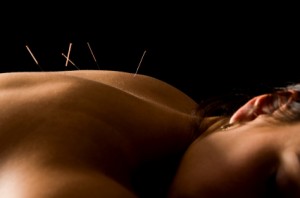 Acupuncture therapy; Application of metal needles such as filiform needle, intradermal needle and plum-blossom needle are used to stimulate certain specific superficial definite locations for the treatment of a disease. In cases of blood transmitted disease or skin lesions electro-acupuncture or laser beam acupuncture is applicable.
Acupuncture is a very safe system of health care when done by a well-trained practitioner. It feels like a needle prick but nothing like getting an injection. During the treatment the patient will experience some sensations of energy movement, but not pain. Most people fall asleep when left with the needles, and wake refreshed and relaxed.
The number of treatments varies according to the individual. Chronic pain that exists for years may require a longer series of treatments. Treatments are usually once or twice a week.
Moxibustion therapy; A method of applying therapeutic heat produced by ignited moxa wool or roll over the well defined skin surfaces. The moxa is made by an herb called “Artemisia Bulgaris”.
D. Other methods of treatment
Massage; a) Also called pushing and grasping; a method of prevention and treatment of diseases by applying various massage manipulation, or by passive movements of extremities. b) One of the eight manipulations of bone setting, used for relaxing the muscles, dissipating blood stasis and promoting subsidence of swelling.
Qigong (breathing exercise); A mental and physical self training for the prevention and treatment of diseases and also for health care and prolongation of life, by which life activities are self-adjusted and self-controlled with the help of the inducement of mind and the regulation of respiration and spirit.
Cupping; Is designed to vastly increase circulation to affected areas, ridding toxins and waste products that aggravate inflammation and introducing the tissues to fresh nutrients and oxygen.
Therapeutic exercises; Taiji, Gong fu, jogging five animal exercises and other exercises prevent disease and strengthen the human body.
There is no magic treatment for Fibromyalgia. In my experience of treating chronic pain for the last 17 years, a complete comprehensive evaluation is nessecary. It is essential to determine the treatment plan for each individual. In Chinese medicine there is no ” one treatment fits all” phylosophy. Everybody has to be treated according to his or her unique characteristics.
The term “Traditional Chinese medicine” T.C.M., makes reference to a number of practices, especially acupuncture, moxibustion and herbal formulas and their theoretical basis that has developed in China during a period of about 2,500 years. A theory of nature –and of health and disease– was set forth in the concepts of two essential forces yin and yang, the five elements, six climatic influences, seven emotional factors, eight principles of therapy, fourteen meridians, and other notions numbered as an aid to memorizing the information.
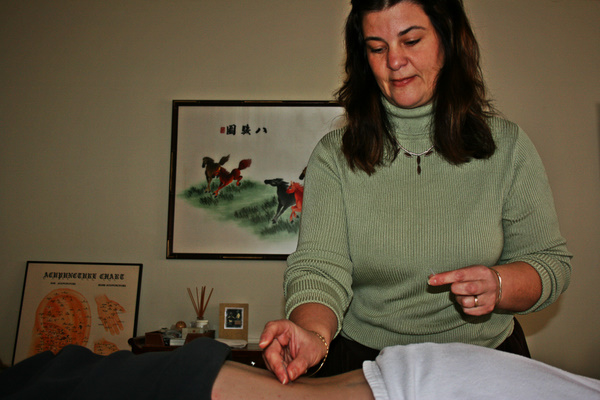
Ancient but Still Alive
The Huang-di Nei-jing or Inner Classic of the Yellow Emperor is the source of all Chinese medical theory, the Chinese equivalent of Hippocratic corpus. Complied by unknown authors between 300 and 100 B.C.E., it is the oldest of the Chinese medical texts. The knowledge and theoretical formulations it contains are the basic medical ideas developed and elaborated by later thinkers.
In China today, the primary textbooks used to train traditional doctors are contemporary interpretations and clarifications of Qing dynasty (1644-1911) formulas and commentaries. These books are, in turn, clarifications of Ming dynasty (1368-1644) reworkings, which are also reworkings of earlier material. This process goes all the way back to Han dynasty (202 B.C.E.-220 C.E). Such transmission through the dynastic pathway not only preserved and encapsulated the original sources, but also elucidated and reformed them.
The Yin-Yang And The Five-Element Theory In T.C.M.
T.C.M. considers everything has two sides, they are called Yin and Yang. The Yin and Yang are philosophical terms in ancient China, referring to the things or characters opposite to each other. The condition which appears as active, external, upward, hot, bright, functional, exciting and hyperactive is attributive to Yang. The condition which appears as asthenic, internal, downward, cold, dim, material, inhibitive and declining is attributed to Yin.
Yin-Yang theory is widely used in T.C.M., for explaining the physiological and pathological phenomena of the human body and for directing the diagnosis and treatment of a disease. For example superficial syndrome, heat syndrome, sthenic syndrome are attributed to Yang. Interior syndrome, cold syndrome, asthenic syndrome are attributed to Yin.
The five element theory is a theory based on philosophy in ancient China, classifying the material characters and the mutual relationship of the five elements which are considered as the essential constituents of the material universe. Their motion is in accordance to certain rules (germination, restriction, etc). In T.C.M. the five element theory is mainly used for explaining the properties of the five viscera organs (liver, heart, lung, spleen, kidney) of the human body, their mutual relations, physiological phenomena and pathological changes. It also serves as a guide for diagnosis and treatment. The five element cycle is arranged in a definite order..
T.C.M. considers that heart is fire, liver is wood, spleen is earth, lung is metal and kidney is water, which are the five viscera organs.
The term for five viscera organs do not completely match those used in western medicine from the stand point of anatomy and physiology. In T.C.M they are considered functional systems and their suffering causes disease. So the physiology and pathophysiology in T.C.M are very important.
Vital substances in T.C.M.
- Vital energy is the motive force of internal organs and the tissues of the body as well. It has five functions: a) promotion function b) warming function c) defensive function d) checking function e) nourishing function.
- Blood is an important component of the body derived from the refined substance of the food through a series of complex processes. It circulates in the blood vessels to nourish all parts of the body.
- Body fluids. For instance, sweat, saliva, stomach fluid, intestinal fluid, urine etc. Their function is to moisten the skin, the hair, the muscle, the throat, the joints etc.
Meridians
Meridians are important components of the human body. Meridians and their collateral’s act as an important route for circulating vital energy and blood, connecting viscera with extremities, communicating the upper with the lower and the interior with the exterior and regulating the activities of viscera and other parts of the body. The meridians play a important role in joining the tissues and organs of the body to build up an organic entity.
There are fourteen regular meridians in the body and they are the main passages connecting different parts of the body in which the vital energy and blood circulates. The meridian energy flows through the meridians in regular vicious cycle by definite order.
Selection of treatment based on the differential diagnosis
Making a diagnosis and selecting the treatment is based on the analysis and comprehension of the clinical data collected by the four methods of examination with the basic theories of the five viscera organs (liver, heart, lung, spleen, kidney) meridians and pathogens.
Four Methods of Examination:
- Inspection: Observing the patient’s mental status, posture, appearances of the tongue and its fur, the quality of urine, feces and other excretions and secretions.
- Listening and smelling: Listen to patient’s voice during speaking, breathing, coughing and moaning, and to smell the odor of the secretion and excretion.
- Inquiring: Interrogate the patient about his present illness, past history, menstruation and childbirth history, living and food habits, as well as age, native place, occupation and other related information.
- Palpation: Various parts of body surface of the patient are palpated for the purpose of investigating the condition of the pulse, chest, abdomen and extremities to establish a diagnosis.
Major therapeutical methods in T.C.M.
A. Methods of treatment by Chinese herbal medicine
Treating a disease in Chinese medicine focuses on ridding the body of the invading pathogens, restoring normal circulation and flow of blood and Qi, promoting emotional harmony and fortifying the Kidney/Vitality system. Effective treatments include acupuncture, warming needle, point injection therapy, Qi Kong, moxibustion, herbal and dietary therapies, cupping, scrapping, massage and exercise.
There are eight methods of treatment used in Chinese herbal medicine.
- Diaphoresis therapy; It possesses the actions of antipyretic, promoting eruption, reducing edema and antirheumatic by inducing perspiration.
- Emetic therapy; Elimination of harmful substances from the throat, esophagus and stomach by the application of drugs or physical stimuli that can induce vomiting.
- Purgation therapy; A treatment of eliminating the undigested food by the application of mild purgatives.
- Regulating therapy; Includes various treatments such as the dispersion of stagnated liver-energy, the coordination of the functions of the liver and spleen or of the liver and stomach.
- Warming therapy; Expelling cold by warming the meridians, rejuvenating the depleted Yang, lowering fever with drugs of sweet flavor and warm nature.
- Heat – clearing therapy; A treatment of clearing away the heat with cold natured herbs, applicable to febrile diseases of heat – syndrome.
- Invigoration therapy; A therapy for various types of asthenia syndrome, generally classified into invigoration of vital energy, toning the blood, invigoration of Yin and Yang.
- Dispelling therapy; A treatment for dispersing stagnated energy, blood stasis, phlegm-wetness, undigested foods.
Herbal therapies are best for functional disorders, hormonal imbalances, and “organic problems” (change in tissue structure). The effects of herbs are usually seen after several days of regular use, rather than immediately, but once the effects are established, they often persist for a long time. The use of acupuncture plus herbs usually provides the most dramatic results.
B. Dietary Therapy
Avoiding foods that produce dampness or mucous that may further obstruct the flow of Qi and blood in the channels, therefore exacerbating the pain.
Foods to avoid:
- Cow milk products (milk, cheese, butter, ice cream, etc.).
- Night shade vegetables (tomato, eggplant, peppers, potato).
- Deep fried and fatty foods.
- Cold foods.
- Wheat. Alcohol. Coffee. Sugar.
C. Methods of treatment by acupuncture and moxibustion
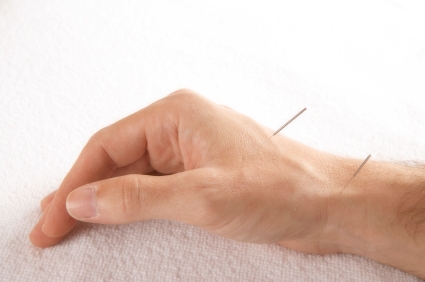
Acupuncture therapy; Application of metal needles such as filiform needle, intradermal needle and plum-blossom needle are used to stimulate certain specific superficial definite locations for the treatment of a disease. In cases of blood transmitted disease or skin lesions electro-acupuncture or laser beam acupuncture is applicable.
Acupuncture is a very safe system of health care when done by a well-trained practitioner. It feels like a needle prick but nothing like getting an injection. During the treatment the patient will experience some sensations of energy movement, but not pain. Most people fall asleep when left with the needles, and wake refreshed and relaxed.
The number of treatments varies according to the condition. Acute problems may respond with just a few treatments. A chronic problem that exists for years may require a longer series of treatments. Treatments are usually once or twice a week.
Moxibustion therapy;A method of applying therapeutic heat produced by ignited moxa wool or roll, over the well defined skin surfaces. The moxa is made by an herb called “Artemisia Bulgaris”.
D. Other methods of treatment
Massage; a) Also called pushing and grasping; a method of prevention and treatment of diseases by applying various massage manipulation, or by passive movements of extremities. b) One of the eight manipulations of bone setting, used for relaxing the muscles, dissipating blood stasis and promoting subsidence of swelling.
Qigong (breathing exercise); A mental and physical self training for the prevention and treatment of diseases and also for health care and prolongation of life, by which life activities are self-adjusted and self-controlled with the help of the inducement of mind and the regulation of respiration and spirit.
Cupping; Using heated cups, cupping is designed to vastly increase circulation to affected areas, ridding toxins and waste products that aggravate inflammation and introducing the tissues to fresh nutrients and oxygen.
Scrapping; Using tools made from antler horn, to break scarring on soft tissue, release muscle congestion, usually used in combination with cupping and electroacupuncture.
Therapeutic exercises; Taiji, Gong fu, jogging five animal exercises and other exercises prevent disease and strengthen the human body.
Acupuncture Analgesia
Over the past 45 years knowledge about the physiological basis of control of pain has increased more than at any time in the history. This growth has been based mainly on studies on the neural and neurochemical basis of inhibition of pain at various levels of the central nervous system such as the spinal cord, the brain stem, and higher subcortical center. Although acupuncture was introduced in the Western world as early as in the 1600 century it remained largely unknown until the first reports of operations under acupuncture analgesia were reported from China. Research on the neurochemical mechanisms of acupuncture analgesia has been conducted in the Department of Physiology, Beijing Medical University since 1965. More than300 papers have been published, most of them in Chinese.
Can modern and Chinese medicine be combined?
Not only can the two systems of medicine be combined, they can enhance each other’s effects. Chinese herbs may make it possible to take a lower dosage of modern medicines, to reduce their side effects, and obtain a better overall effect. Modern drugs may provide emergency relief for serious conditions that will allow long-term application of Chinese herbs the rest of the time.
It is advised that modern drugs be taken at a different time (e.g. an hour apart) from herb combinations in order to avoid any chance of interaction, and that monitoring of the effects of the drugs be continued, and perhaps increased, while an herb therapy is being used. Acupuncture is compatible with virtually all modern techniques.
Concluding remarks
Traditional Chinese medicine can be considered an art, and it can claim to be a science. But the important question is: Does it work? Is Chinese medicine just an interesting philosophical curiosity or is it a viable system of healing? Can it treat what the West defines as real diseases? And can Western science measure its results and appreciate its value?
Because of the unique history of modern China, traditional medicine has been the subject of comprehensive study and testing over the past forty five years.
Western clinical studies of traditional Chinese medicine, by proving its practical efficacy, have helped it win its battle for survival in the twentieth century, and promise it a place in the future of medicine.
Acupuncture has been used in China for at least 2,000 years to treat a variety of disorders. The use of acupuncture for the treatment of drug addiction was discovered serendipitously in 1972 by Wen, a Hong Kong neurosurgeon conducting a series of studies on the analgesic properties of acupuncture. Heroin addicts who volunteered to be subjects reported that their opiate withdrawal symptoms were lessened on the days when they received their acupuncture treatments. Wen undertook a series of uncontrolled studies on the use of acupuncture in the treatment of opiate addiction and reported positive results. Over the last 40 years, numerous studies have been undertaken investigating acupuncture for the treatment of various addictions, including opiates, tobacco, and alcohol. Many of these studies report beneficial effects of acupuncture. Not infrequently however, investigations of acupuncture for the treatment of drug addiction suffer from problems of design and assessment.
 Mechanism of Acupuncture
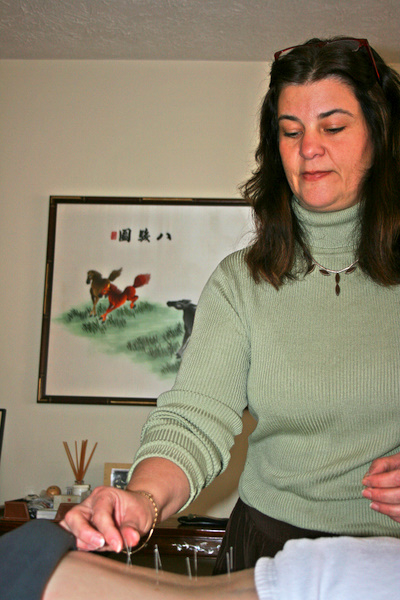
The mechanism by which acupuncture may constitute a treatment for chemical dependency has not been fully investigated, although it has been conjectured that acupuncture, perhaps mediated by the release of endogenous opioids, modulates neural circuits in the mid-brain also affected by drugs of abuse. Han JS, Zhang RL (1993) Drug and alcohol Dependence(USA) 31, 169-175 Traditional Chinese theories of acupuncture involving ‘the rectification of chi deficiency or excess in various organ systems’, have not been adequately tested with in Western biomedical frameworks. In 1993 the HANS Acupoint Nerve Stimulator was used to treat 212 heroin addicts subjected to abrupt abstinence. Diagnosis was made according to the Diagnostic and Statistical Manual of Mental Diseases, third edition. The results from that study indicated that the mechanisms of HANS for heroin detoxification may be two fold:
- The release of endogenous endorphins and enkephalins by 2Hz may substitute the need for exogenous opioids
- The release of dynorphins by 100Hz may suppress the withdrawl syndrome.
The use of HANS in the post-detoxification period may help to prevent the recurrence of drug abuse, which may be even more important than its role in acute detoxification.
U.S. Studies
Auricular acupuncture is an increasingly popular intervention for the treatment of cocaine addiction in the United states.
Currently, approximately 200 clinics, in 32 states, offer auricular acupuncture for the treatment of this disorder (Smith 1991). Despite its increasing popularity, auricular acupuncture has been evaluated in relatively few studies for the treatment of cocaine addiction Lipton et al., 1992; Margolin et al., 1992; Smith,1988.
Clinical reports suggest that auricular acupuncture induces a feeling of relaxation that reduces craving for cocaine and facilitates patient participation in counseling and rehabilitation.
To the best of our knowledge, the literature contains only two controlled studies of acupuncture for the treatment of cocaine addiction. One study conducted at Lincoln Hospital, D. Lipton,V. Brewington, and M. Smith, unpublished data and the second one from the Substance Abuse and Treatment Unit, Department of Psychiatry, Yale University school of Medicine.
Cocaine use was determined by urine toxicology screenings. Depression was assessed by using the Beck depression inventory. Self-representation was assessed using the modified selves Questionnaire etc.
The authors report a positive finding for acupuncture insofar as subjects who received real acupuncture and remained in treatment for over 2 weeks had significantly lower levels of benzoylecgonine in urine screens compared to the placebo group. Sixty-one percent of women and 36% of men who entered the study completed the entire 8-week course of acupuncture treatment. All of the women and 60% of the men who completed the study attained abstinence. Among the HIV-positive patients 38% completed the study, of these individuals 83% attained abstinence.
In the pharmacotherapy trial, retention in treatment was excellent, and abstinence rates were modest. In the acupuncture study, the retention rate was lower, but the patients who remained in treatment did extremely well. No subject reported dropping out of the studies because of an adverse response to acupuncture treatments.
Subjects who attained abstinence in these studies exhibited decreased Beck Depression Inventory scores, a shift in self-representation away from “addict” and toward desired “non-addict” self-schemata, decreased craving, and increased aversion to cocaine cues.
Concluding Remarks
In views of the widespread use of acupuncture in the treatment of drug addiction and the relative success of previous studies it is my opinion that this procedure warrants further controlled investigation as a treatment for cocaine addiction in opiate populations.
Because of the unique history of modern China, traditional medicine has been the subject of comprehensive study and testing over the past forty five years.Western clinical studies of traditional Chinese medicine, by proving its practical efficacy, have helped it win its battle for survival in the twentieth century, and promise it a place in the future of medicine.
Some English-Language Sources
Han JS, Zhang RL (1993) Drug and alcohol dependance (USA) 31, 169-175
Chen XH, Han JS (1994) American Journal of Acupuncture 22, 47-53
Department of Philosophy of Medicine and Science, comp. Theories and philosophies of Medicine. New Delphi: Institute of History of Medicine and Medical Research 1973.
Fung, Yu-Lan. A History of Chinese Philosophy. 2 vols. Translated by Derk Bodde. Prinston, N.J.: Prinston University Press 1973.
Huard, Pierre, and Wong, Ming. Chinese Medicine.New York, Toronto: World University Library, McGraw-Hill, 1968.
Leslie, Charles, ed. Asian Medical Systems. Berkeley, Calif.: University of California Press.
Porckert, Manfred. The Theoretical Foundations of Chinese Medicine. M.I.T. East Asian Science Series, Vol. 3. Cambridge, Mass.: M.I.T. Press, 1974.
Ted J. Kaptchuck. The Web That Has No Weaver. Congdon & Weed, Inc, New York, 1983.
Mayer, D.J., Price, D.D. Rafii, A.1977. Antagonism of Acupuncture Analgesia in Man by Narcotic Antagonist Naloxone. Brain Research. 121:368-72.
Mayer, D.J., Price, D.D. Rafii, A.1975.Acupuncture Hypalgesia:Evidence for activation of a central control system as a mechanism of action. First World Congress Pain Florence, p.276 (abstr)
Mc Leennan, H., Gilfillan, K, Heap, Y. 1977. Some Pharmacological Observations on the Analgesia Induced by Acupuncture in Rabbits. Pain 3: 229-38.
Han, C. S., Chou, P.H., Lu, C.C., Jen, M. F. 1979. The Role of Central 5-hydroxytryptamine in Acupuncture Analgesia. Sci. Sin. 22:91-104.
Mayer, H.L., Price, D.D. 1976. Central Nervous System Mechanisms of Analgesia. Pain 2:379-404.
Han J.S., Terenius L 1982. Neurochemical Basis of Acupuncture Analgesia. Ann. Rev. Pharmacol. Toxicol. 22:193-220.
Liu X. 1986. The Role of Nucleus Raphe Magnus in Acupuncture Analgesia and its Control by Some Higher Analgesia Structure. Acupuncture Research 9:91-100.
Links:
http://www.acupuncture.com/conditions/acuaddict.htm
http://biblioteca.universia.net/ficha.do?id=5309729
http://acudetox.com/
http://acupuncture.com/research/addiction.htm
Tongue Diagnosis
The diagnostic value of observation of tongue can be fully manifested only in clinical treatments in T.C.M. by using differentiation of syndromes. The facts verify that excess or deficiency of Qi and blood in viscera organs, depth of invasion of pathogenic factor, tendency of transmission and change in a disease can be understood through observation of tongue.
It is declared by the modern research work that appearance of tongue looks like a window for seeing into internal organs of the body, can objectively reflect various physiological changes in the interior of the body, manifests the reaction and function of the body at the moment and brings the information of plentiful vital activities.
The content of tongue diagnosis
Observation of tongue proper (body)
Observation is mainly focused on three aspects : color, appearance and mobility of the tongue. A normal tongue is light red in color, lustrous and moist, free in motion, and of proper size which is neither flabby nor thin and neither tough nor too tender.
Tongue color
- Pale tongue: Is often seen in severe malnutrition, anemia chronic nephritis, etc.
- Light red tongue: Is often seen in a healthy person or a person with a mild disease. Sometimes it may also seen in a chronic disease which is not so severe.
- Red tongue: Is often seen in the middle stage of a febrile disease with virus or bacteria in blood.
- Deep red tongue: Is often seen in the advance stage of a febrile disease in which high fever, septicemia and some other severe conditions are present.
- Green, blue or purple tongue: Is often seen in severe infection, extreme weakness in respiration or circulation, oxygen difficulty diffuse intravascular clotting, etc
Appearance of tongue
- Sheen-withered tongue: A sheen tongue indicates vigor of the anti-pathogenic factor and adequacy of the body fluids. Withered tongue is often seen in wasting diseases, severe malnutrition, pernicious anemia, and the advanced stage of infectious febrile diseases.
- Tough-tender tongue: A tough tongue indicates heat syndrome often seen in the peak stage of acute disease. A tender tongue indicates cold syndrome mostly seen in the advanced stage of chronic disease.
- Cracked tongue: A cracked tongue is often seen in high fever, dehydration and malnutrition.
- Thorny tongue: A thorny tongue indicates hyperactivity of pathogenic heat, which is often seen in high fever, severe pneumonia, scarlet fever etc.
- Spotty tongue: Like red bayberry gathers at the front and in the middle of the tongue. Is often seen in the advanced stage of a febrile disease, burns etc
- Tooth printed tongue: Tooth prints appearing at the edges of the tongue is often seen in edema, anemia, chronic nephriris etc.
- Double tongue: The vessels of the underside of the tongue are swollen up like another small tongue. Is often seen in inflammation or abscess of glandula sublingualis, tumor etc.
- Haemorrhagic tongue: A tongue bleeding on the surface is often seen in leukemia and aplastic anemia.
- Carbuncle tongue: Is seen in glossitis, tongue tumor and pyogenic infection.
- Furuncle tongue: Which is hard and painful with a size of a soybean is often seen in glossitis and infections.
- Boils tongue: Protruding painful boils on the surface of the tongue is often seen in ulcerous glossitis and stomatitis.
- Fungus tongue
Mobility of tongue
- Rigid tongue: Difficult to protrude is often seen in cerebrovascular accidents and nerve system damage of various causes.
- Flaccid tongue: Is often seen in nerve dysfunction of tongue, nerve system damage or extreme weakness in the advanced stage of diseases.
- Shrunken tongue: Shrunken and unable to protrude denotes a fatal sign. Is often seen in cerebrovascular accidents, severe lingual muscle atrophy, and extreme weakness in the advanced stage of diseases.
- Deviated tongue: Which is deviated to a side is often seen in facial paralysis, hypoglossus paralysis, and some other nerve damage.
- Tremulous tongue: Uncontrollable trembling often appears in tremulous paralysis and some severe nerve system damage.
- Protruding and wagging tongue: Is often seen in high fever, blood disease with bacteria or virus, protruding tongue like dementia.
- Numb and paralyzed tongue: Is a tongue without ability to move. They are seen in nerve system damage due to various causes
Pulse Taking Chinese Style
A normal balanced pulse is felt mainly at the middle level. Normal speed is between four and five beats per complete respiration, amounting to about seventy to seventy-five beats per minute. The quality of a normal pulse is elastic and “lively” neither hard and unyielding, nor flaccid and indistinct.
Types of pulse
The distinctions between pulses that are most commonly made by physicians are depth, speed, width, strength, overall shape and quality, rhythm, and length.
- Floating pulse is distinct at a superficial level of pressure, it is less perceptible when palpated at the middle and deep level. It signifies deficient yin.
- Sinking or deep pulse is distinct only at the third level, when heavy pressure is applied. It indicates that the disharmony is internal, or that there is obstruction.
- A slow pulse is one that has fewer than four beats per respiration. It is a sign of cold retarding movement or insufficient Qi to cause movement.
- A rapid pulse is one that has more than five beats per respiration. It indicates that heat is accelerating the movement of blood.
- A thin pulse feels like a fine thread but is very distinct and clear. It is a sign that the blood is deficient and unable to fill the pulse properly.
- A big pulse is broad in diameter and very distinct, and suggests excess. It is commonly felt when heat is present in the stomach or intestines or both.
- An empty pulse is big but without strength. It feels weak and soft like a balloon partially filled with water. It is felt at the superficial level and is often slower than normal. It signifies deficient Qi and blood.
- A full pulse is big and strong, pounding hard against the fingers at all three levels. It is a sign of excess.
- A slippery pulse is extremely fluid. It feels smooth, like a ball bearing covered with viscous fluid. It is a sign of excess, usually dampness or mucus.
- A choppy pulse is uneven and rough, and sometimes irregular in strength and fullness. It is a sign of deficient blood and jing.
- A short pulse does not feel the spaces under the three fingers and is usually felt only in one position. It is often a sign of deficient Qi.
- A long pulse is perceptible beyond the first and third positions. If it is of normal speed and strength, it is not considered a sign of disharmony.
- A knotted pulse is a slow irregular pulse that skips beats irregularly. It is a sign of cold obstructing the Qi and blood, though it may indicate deficient Qi blood and Jing.
- A hurried pulse is a rapid pulse that skips beats irregularly. It is usually a sign of heat agitating the Qi and blood.